Astrology · Vedic
The Twenty‑Seven
Nakshatras
The lunar mansions — the deeper layer beneath your Moon sign, where the sky is read not in twelve signs but in twenty‑seven.
Explore the 27

The lunar mansions — the deeper layer beneath your Moon sign, where the sky is read not in twelve signs but in twenty‑seven.
Long before the zodiac was divided into twelve, the sky was mapped by the Moon — into twenty‑seven nakshatras, one for each night of the lunar month. Each is a 13°20′ slice of the heavens with its own symbol, ruling planet, deity and character, and the one the Moon occupied at your birth (your janma nakshatra) describes your inner nature with a precision a Moon sign alone cannot reach. This is the layer Cosmiclogy reads sidereally, the Vedic way.
Your nakshatra is set by where the Moon stood at the moment you were born — so, like your Rising sign, it needs your exact birth date, time and place. A Cosmiclogy profile calculates it for you, sidereally, along with the rest of your chart.
From Ashwini at the start of the sidereal zodiac to Revati at its close — each with its symbol, ruler, deity and nature.

The first light of the zodiac — quick, healing energy that begins everything before the mind can hesitate.
Those born with the Moon in Ashwini carry a bright, pioneering spirit and an instinct to help, mend and set things in motion. Ketu, its ruler, lends a slightly otherworldly quality — a readiness to act on impulse and intuition rather than long deliberation, so they often arrive first and move fast. The horse's head gives them speed, vitality and a certain restlessness, along with a natural gift for healing and rescue. At their finest they are fresh, courageous and generous, though they must learn patience to see their many beginnings through to the end.
Read the full guide →
The vessel that bears creation and endings alike, holding life through its hardest passages.
People with the Moon in Bharani have a deep, patient capacity to nurture things into being and to bear what others cannot. Venus, its ruler, gives them warmth, sensuality and an eye for beauty, while the yoni symbol speaks to fertility, creativity and the discipline of gestation — carrying something through darkness until it is ready. Guided by Yama, they hold a strong inner sense of right and consequence, and are unafraid of life's thresholds of birth, transformation and death. Intense and determined, they thrive when their considerable energy is given a worthy purpose to sustain.
Read the full guide →
A cleansing flame — sharp, honest heat that purifies whatever it touches.
Those born with the Moon in Krittika possess a keen, cutting clarity and a willingness to speak and act with directness. The Sun, its ruler, gives them radiance, leadership and a proud sense of purpose, while the razor and flame lend precision and the power to burn away pretence and impurity. Agni's fire makes them both fierce and nourishing — the same stars that sharpen a blade also nursed the war-god as foster mothers, so protectiveness lives alongside their edge. At their best they are courageous, principled and refining; their task is to aim that heat with care rather than let it scorch.
Read the full guide →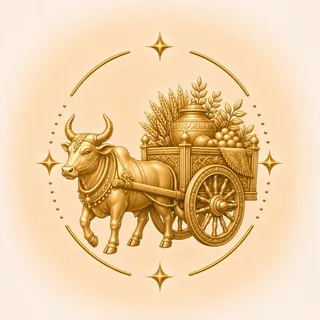
Fertile, beloved ground where beauty takes root and abundance quietly ripens.
People with the Moon in Rohini have a magnetic, grounded charm and a gift for bringing things to fruition — relationships, gardens, ventures, art. The Moon rules here and is said to love this nakshatra most, so emotion, sensuality and a longing for comfort and beauty run strong. The ox-cart symbol ties them to the earth's fertility and the patient work of cultivation, giving them steadiness, taste and material capability. Warm and creative, they draw others easily; their growth lies in sharing their abundance freely rather than clinging to it.
Read the full guide →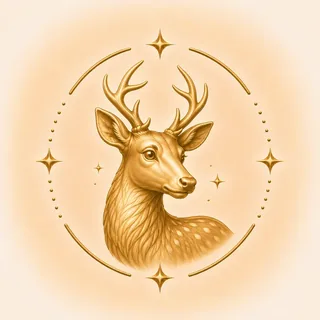
The gentle seeker, forever following a scent of something finer just beyond reach.
Those born with the Moon in Mrigashira are curious, searching souls, drawn to explore ideas, places and people in a lifelong quest for what satisfies. Mars, its ruler, gives their gentleness an undercurrent of drive and nervous energy, so their seeking is active rather than passive. The deer's head lends grace, sensitivity and a slightly skittish charm — quick to notice, quick to move on. Intelligent and communicative, they are wonderful company; their lesson is to rest in what they have found rather than always chasing the next horizon.
Read the full guide →
The storm and the tear that follows — turmoil that breaks the ground open so new life can rise.
People with the Moon in Ardra feel deeply and think sharply, moving through emotional storms that ultimately clear the way for renewal. Rahu, its ruler, gives them hunger, originality and a hunger to understand — often a brilliant, unconventional mind unsettled by easy answers. The teardrop and the god Rudra speak to the cleansing power of grief and upheaval: like rain after thunder, their intensity washes the old away and makes fresh growth possible. Resilient and transformative, they come into their own by turning struggle into insight and hard effort into hard-won mastery.
Read the full guide →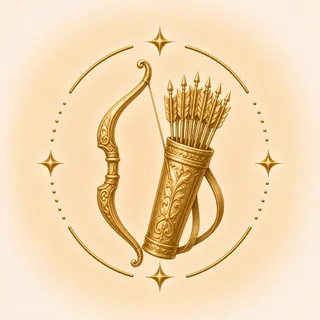
Endless renewal and second chances — the quiet faith that light always returns.
Jupiter's touch makes these people naturally generous, philosophical and quietly hopeful — the sort who begin again without bitterness. Like the archer's quiver that always holds another arrow, they carry a deep belief that things can be restored, and they help others start over too. They favour home, simplicity and honest wisdom over show, and tend to travel light in every sense. There is a benevolence to them that puts people at ease.
Read the full guide →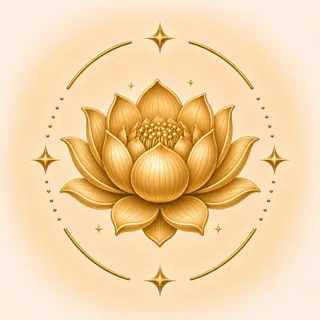
Nourishment freely given — the steady, protective care that lets others grow and flourish.
Under Saturn's discipline and Brihaspati's wisdom, these people are steadfast nurturers — dependable, dutiful and protective of everyone in their care. The lotus and the cow's udder speak of nourishment offered without conditions, and they often become the quiet anchor a family or community leans upon. They take responsibility seriously, sometimes to a fault, and find meaning in service rather than the spotlight. Beneath a reserved surface runs genuine devotion, and this is traditionally counted the most auspicious of the lunar mansions.
Read the full guide →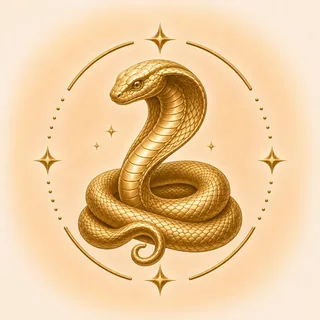
Penetrating insight and hypnotic magnetism — the serpent's power to see and to transform.
Mercury sharpens this placement into one of the most penetrating minds in the sky — perceptive, strategic and very hard to fool. The coiled serpent lends a magnetic, almost hypnotic presence, a gift for reading what others conceal, and a healer's instinct for where the real trouble lies. They feel things intensely and guard their inner world closely, which can read as mysterious or unsettling to those who want easy answers. Channelled with maturity, that serpent energy becomes profound wisdom, shrewd counsel and genuine transformation.
Read the full guide →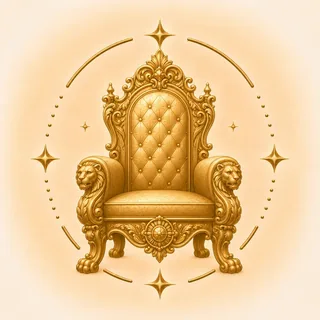
Ancestral dignity and inherited nobility — a life lived in honour of those before.
Seated at the royal throne and guided by Ketu's link to the ancestors, these people carry a natural dignity and a deep respect for lineage, tradition and all who came before them. They often sense they are here to honour or continue something larger than themselves, and they hold themselves — and others — to a noble standard. Recognition and ceremony matter to them, though the wisest learn to wear their authority lightly. At their best they lead with grace and give the past its rightful due.
Read the full guide →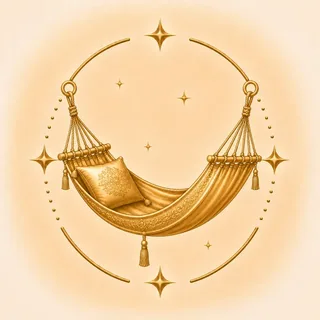
The art of delight — love, rest and creative pleasure, warmly and generously shared.
Venus fills these people with warmth, charm and a real talent for enjoyment — they know how to rest, how to love, and how to make others feel welcome. The hammock speaks of well-earned ease, while Bhaga, the god of delight and good fortune, lends an easy generosity and a flair for the creative and the celebratory. They are affectionate and sociable, drawn to beauty, romance and the good things in life. When balanced, their leisure restores them rather than distracts, and their pleasure spills over onto everyone nearby.
Read the full guide →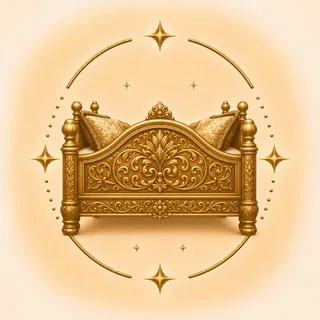
Steadfast friendship and open-handed generosity — the bonds and promises that genuinely endure.
Where its sister star reaches for pleasure, the Sun steadies Uttara Phalguni into loyalty, generosity and dependable partnership. Aryaman, patron of friendship, contracts and hospitality, makes these people the reliable friend who actually turns up — kind, principled and generous with their time and help. The couch that follows the hammock speaks of stable rest and of commitments that hold firm. They shine when supporting others and building lasting bonds, and their word tends to mean exactly what it says.
Read the full guide →
The open hand that shapes, heals and holds — skill made gentle, cleverness turned toward service.
Those born with the Moon in Hasta carry a gift for making things real with their hands and their wits alike. The open palm is the emblem of craft, dexterity and healing, and the Moon lends it a warm, quick, quietly resourceful mind. They tend to be skilful, practical and helpful — people who solve problems others give up on, often with humour and a light touch. Their challenge is a tendency toward restlessness or self-criticism when results fall short of their own high standards.
Read the full guide →
A jewel cut to catch the light — artistry, brilliance and the will to make beauty visible.
With the Moon in Chitra, there is an instinct for design — for shaping raw material into something brilliant and whole, as the divine architect Tvashtar fashions form itself. Mars gives this a bold, passionate energy and a taste for beauty that turns heads. These are often striking, creative people with a fine eye for colour, structure and detail, at home in art, fashion, architecture or any craft of the visible world. The caution is vanity, or a hunger for admiration that can outpace substance.
Read the full guide →
A young shoot bending with every wind yet never breaking — independence, adaptability and the freedom to move.
The Moon in Swati gives a deeply independent spirit, self-contained and able to bend with circumstance without losing its footing — the young shoot that survives the storm by swaying. Ruled by Rahu and presided over by Vayu, the wind, these people value freedom above almost all else and often have a natural feel for trade, negotiation and movement. They are adaptable, diplomatic and self-reliant, learning best on their own terms and disliking anything that fences them in. Their difficulty can be restlessness, or a reluctance to commit and put down roots.
Read the full guide →
A gateway to hard-won triumph — focused ambition, patient determination and the will to see a goal through.
Those born under Vishakha carry a rare, single-minded determination — the archway marks the threshold of triumph, and they are willing to work long and patiently to pass through it. Jupiter lends purpose and faith to their ambition, while the dual deity Indra-Agni gives both drive and radiant energy. They are goal-oriented, focused and quietly competitive, often achieving late but decisively once their aim is fixed. The shadow side is impatience, jealousy, or so fierce a focus on the destination that they overlook the people beside them.
Read the full guide →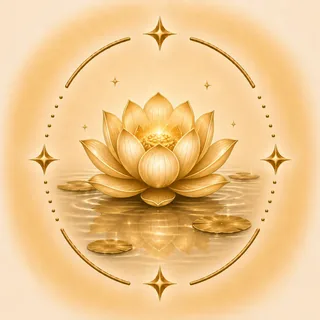
The lotus that blooms through devotion and friendship — loyalty, balance and the quiet strength to unite people.
The Moon in Anuradha gives a gift for friendship and devotion — the deity Mitra rules bonds of loyalty, and these people can build warm, lasting alliances almost anywhere they go. Saturn brings discipline, patience and the resilience to succeed far from home, while the lotus speaks of beauty and grace that rise, unhurried, out of difficult ground. They are cooperative, steadfast and genuinely caring, often thriving in group endeavours and drawing people together around a shared purpose. Their test is learning to honour their own needs rather than losing themselves in devotion to others.
Read the full guide →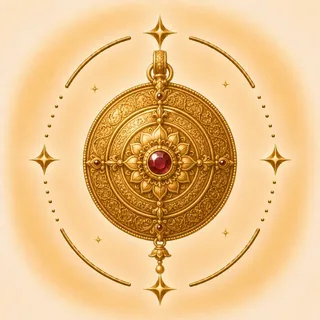
The elder's amulet — hard-earned authority, protective courage and the resolve to rise when the burden is heaviest.
Jyeshtha, the eldest, gives those born under it a natural seniority and a protective, responsible streak — like the amulet that guards, they often become the one others lean on. Ruled by Mercury, they are sharp, capable and quick-minded, and presided over by Indra they carry real courage and the will to rise to authority. Yet the name means "the eldest," and there is often a weight to it: a sense of carrying more than their share, or of being misunderstood despite their strength. At their best they turn that burden into wise, generous leadership.
Read the full guide →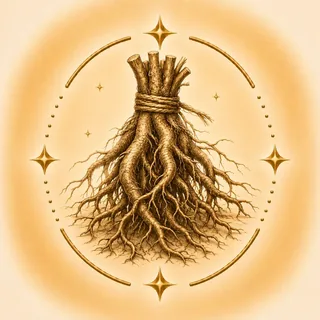
The instinct to dig past every surface and reach the true root of any matter.
Ruled by Ketu, the point of detachment and deep searching, Moola gives a mind that cannot settle for easy answers. The symbol of tied roots speaks to their gift: they pull things up by the foundations, willing to dismantle what is false in order to find what is true. This makes them natural investigators, healers and seekers, often drawn to the hidden mechanics of life — medicine, research, philosophy, the sacred. Life may ask them to let go of a great deal, but through each ending they uncover firmer ground to stand on.
Read the full guide →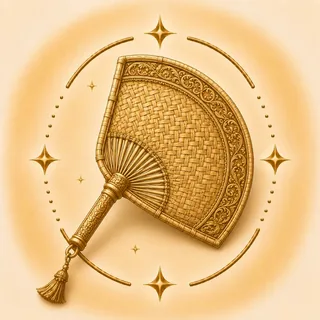
An unshakeable confidence that lifts and carries others, like water that will not be held back.
Ruled by Venus, Purva Ashadha carries warmth, charm and a persuasive grace that wins people over. Its deity is Apas, the cosmic waters, and its symbol the winnowing fan — together they describe someone who purifies, refreshes and refuses to be defeated. These are proud, idealistic people with a talent for inspiring belief, whether in a cause, a crowd or themselves. Their strength is invigoration: they raise the energy of any room and hold to their convictions with a quiet, unbeaten certainty.
Read the full guide →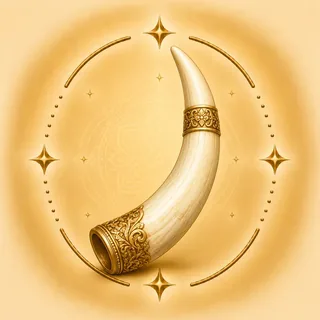
The patient pursuit of a victory that lasts, won by integrity rather than by force.
Ruled by the Sun, Uttara Ashadha carries a steady inner authority and a firm moral centre. Its deities are the Vishvadevas, the universal gods, and its symbol the elephant's tusk — an emblem of strength that is dignified and never hurried. People born here are principled and responsible, the kind who win slowly and keep what they win because it was earned honestly. Their gift is a victory that endures: they aim high, act with integrity, and become quiet leaders others come to rely on.
Read the full guide →
The wisdom that comes from truly listening — learning by hearing before ever speaking.
Ruled by the Moon, Shravana gives a receptive, sensitive nature finely attuned to what others say and mean. Its deity is Vishnu, who spanned the cosmos in three strides, and its symbols — an ear and three footprints — mark this as the star of listening and learning. These are the great students and counsellors, gathering knowledge patiently and weaving people and ideas together. Their gift is connection: they hear what is really being said, and through that careful attention they become trusted keepers of wisdom.
Read the full guide →
A natural rhythm and drive that turns raw energy into wealth, music and renown.
Ruled by Mars, Dhanishta beats with energy, ambition and an unmistakable sense of timing. Its deities are the eight Vasus, gods of abundance, and its symbol is the damaru, the drum whose rhythm sets things in motion. People born here are lively and generous, often gifted in music, performance or any field that rewards drive and beat. Their power is to bring abundance and fame: they marshal resources and people, keep the tempo, and prosper most when they play to a purpose larger than themselves.
Read the full guide →
The solitary healer who works quietly at the edges, mending what others cannot even see.
People born with the Moon here carry a naturally private, self-contained spirit, drawn to whatever lies hidden — medicine, mysticism, science, the workings beneath the surface. Ruled by Rahu, they are unconventional and boundary-crossing, unafraid of the unusual and often ahead of their time, which can leave them feeling apart from the crowd. The empty circle is their signature: a protective, veiling space in which they observe, research and quietly repair, whether that be bodies, systems or broken situations. At their best they are the trusted mender others turn to in crisis, valuing solitude and truth over recognition.
Read the full guide →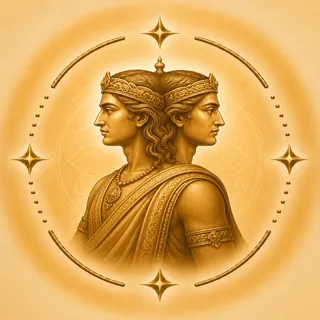
A passionate, otherworldly fire that burns through the ordinary in search of something greater.
Those with the Moon in Purva Bhadrapada are intense idealists, driven by strong convictions and an appetite for meaning that the everyday rarely satisfies. Jupiter lends them philosophy, vision and a genuine wisdom, while the two-faced symbol reflects their dual gaze — one eye on this world, one on the unseen — giving them unusual perspective and, at times, restlessness. The sword marks their capacity to cut away comfort and convention for the sake of a cause or an ideal, sometimes with startling force. Channelled well, this becomes purifying, transformative energy that elevates both themselves and those around them.
Read the full guide →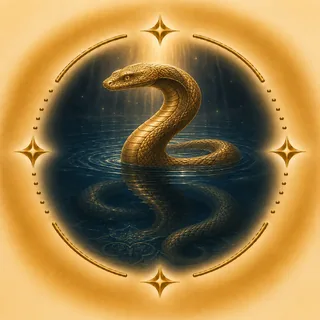
Still, deep waters — a calm, wise soul whose strength is quiet and enduring.
People born under Uttara Bhadrapada carry a rare inner stillness, the sort of depth that stays composed while everything moves around it. Saturn gives them patience, discipline and endurance, so their wisdom is earned rather than borrowed, and others instinctively seek their counsel. The serpent in the deep speaks of controlled power and hidden reserves — kundalini coiled and calm — meaning much of their strength is held quietly beneath the surface. Compassionate, self-possessed and reliable, they offer stability to family and community, and rarely act from impulse.
Read the full guide →
A gentle, protective spirit that nourishes others and guides them safely home.
As the final nakshatra, Revati gives its people a soft, kindly nature attuned to endings, transitions and the care of anything vulnerable — children, animals, travellers, the lost. Their deity Pushan makes them natural guides and protectors, while Mercury lends intelligence, warmth and an easy gift for communication that puts others at ease. The fish, swimming in the boundless waters of Pisces, reflects their fluid, spiritually receptive imagination and their sense of belonging to something larger than themselves. Generous almost to a fault, they give freely and are happiest when helping others move on with grace.
Read the full guide →| Nakshatra | Symbol | Span (sidereal) | Ruler | Deity | Gana |
|---|---|---|---|---|---|
| Ashwini | Horse's head | Aries 0°00'–13°20' | Ketu | The Ashwini Kumaras | Deva |
| Bharani | The vessel of creation | Aries 13°20'–26°40' | Venus | Yama | Manushya |
| Krittika | A razor / flame | Aries 26°40' – Taurus 10°00' | Sun | Agni | Rakshasa |
| Rohini | An ox-cart / chariot | Taurus 10°00'–23°20' | Moon | Brahma / Prajapati | Manushya |
| Mrigashira | A deer's head | Taurus 23°20' – Gemini 6°40' | Mars | Soma | Deva |
| Ardra | A teardrop | Gemini 6°40'–20°00' | Rahu | Rudra | Manushya |
| Punarvasu | A bow and quiver of arrows | Gemini 20°00' – Cancer 3°20' | Jupiter | Aditi | Deva |
| Pushya | A lotus / cow's udder (nourishment) | Cancer 3°20'–16°40' | Saturn | Brihaspati | Deva |
| Ashlesha | A coiled serpent | Cancer 16°40'–30°00' | Mercury | The Nagas | Rakshasa |
| Magha | A royal throne | Leo 0°00'–13°20' | Ketu | The Pitris | Rakshasa |
| Purva Phalguni | A hammock / front legs of a bed | Leo 13°20'–26°40' | Venus | Bhaga | Manushya |
| Uttara Phalguni | The back legs of a bed / a couch | Leo 26°40' – Virgo 10°00' | Sun | Aryaman | Manushya |
| Hasta | A hand / open palm | Virgo 10°00'–23°20' | Moon | Savitar | Deva |
| Chitra | A bright jewel / pearl | Virgo 23°20' – Libra 6°40' | Mars | Tvashtar | Rakshasa |
| Swati | A young shoot swaying in the wind | Libra 6°40'–20°00' | Rahu | Vayu | Deva |
| Vishakha | A triumphal archway / gateway | Libra 20°00' – Scorpio 3°20' | Jupiter | Indra-Agni | Rakshasa |
| Anuradha | A lotus flower | Scorpio 3°20'–16°40' | Saturn | Mitra | Deva |
| Jyeshtha | A circular amulet / talisman | Scorpio 16°40'–30°00' | Mercury | Indra | Rakshasa |
| Moola | A bunch of tied roots | Sagittarius 0°00'–13°20' | Ketu | Nirriti | Rakshasa |
| Purva Ashadha | A hand fan / winnowing basket | Sagittarius 13°20'–26°40' | Venus | Apas | Manushya |
| Uttara Ashadha | An elephant tusk | Sagittarius 26°40' – Capricorn 10°00' | Sun | The Vishvadevas | Manushya |
| Shravana | Three footprints / an ear | Capricorn 10°00'–23°20' | Moon | Vishnu | Deva |
| Dhanishta | A drum (damaru) | Capricorn 23°20' – Aquarius 6°40' | Mars | The eight Vasus | Rakshasa |
| Shatabhisha | An empty circle / a hundred stars | Aquarius 6°40'–20°00' | Rahu | Varuna | Rakshasa |
| Purva Bhadrapada | A two-faced man / a sword | Aquarius 20°00' – Pisces 3°20' | Jupiter | Aja Ekapada | Manushya |
| Uttara Bhadrapada | A serpent in the deep / twins | Pisces 3°20'–16°40' | Saturn | Ahir Budhnya | Manushya |
| Revati | A fish | Pisces 16°40'–30°00' | Mercury | Pushan | Deva |
Your Moon sign tells you the broad shape of your inner life. The nakshatra tells you its texture — the same Moon sign split into finer, more personal detail, each nakshatra further divided into four padas (quarters).
Because nakshatras are measured against the fixed stars, they are read sidereally (Lahiri) — which is why your nakshatra is worked out from the same sidereal Moon Cosmiclogy uses throughout your chart. See how the whole chart fits together →
A Cosmiclogy profile finds your janma nakshatra and reads it alongside your Sun, Moon, Rising and every placement — in plain language.
Get your Cosmic Profile